
I
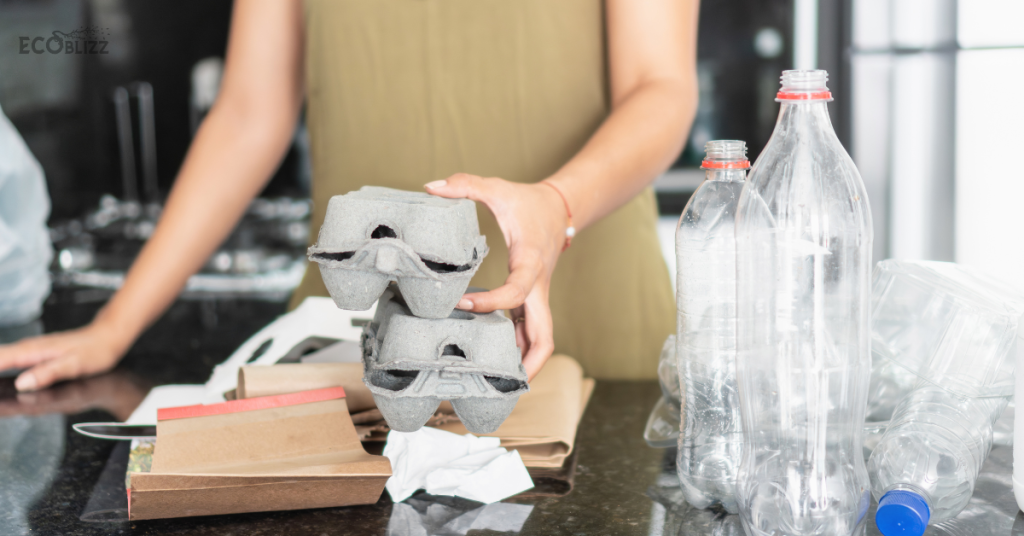
In recent years, the kitchen has become the heart of the sustainability conversation. From the food we buy to the packaging we discard, our daily choices have a lasting impact on the environment. As more households seek eco-friendly solutions, reducing food and plastic waste in the kitchen has emerged as a powerful step toward sustainable living.
Turning the Tide on Kitchen Waste
According to global studies, millions of tons of food are wasted every year, much of it generated from household kitchens. At the same time, plastic pollution continues to choke landfills and oceans, with single-use packaging playing a major role. These twin problems are not just environmental concerns—they affect food security, climate change, and even our health. Fortunately, small lifestyle adjustments can make a big difference.
Smart Shopping and Meal Planning
One of the most effective ways to cut food waste is to plan meals ahead of time. Creating a weekly menu and shopping list ensures that every ingredient has a purpose. Experts recommend buying in smaller quantities and prioritizing fresh, local produce, which typically comes with less packaging. Bulk bins for grains, nuts, and spices also reduce unnecessary plastic. By buying only what is needed, families save money while minimizing spoilage.
Storing Food Sustainably
Improper storage often leads to premature spoilage. Simple techniques—like keeping leafy greens wrapped in cloth, storing herbs in a glass of water, or using beeswax wraps instead of plastic—extend shelf life naturally. Glass jars and reusable silicone bags are becoming popular alternatives to disposable containers. These not only cut down on plastic use but also keep food fresher for longer.
Composting and Repurposing Leftovers
When food scraps are unavoidable, composting is the most eco-friendly disposal method. Compost bins can turn fruit peels, coffee grounds, and vegetable scraps into nutrient-rich soil for gardens. Leftovers, too, deserve a second life—transforming yesterday’s roasted vegetables into today’s hearty soup or using stale bread for croutons keeps food out of the trash.
Reducing Plastic Dependence
Plastic waste remains one of the biggest challenges in the kitchen. Switching to reusable shopping bags, refillable water bottles, and stainless steel or bamboo utensils drastically lowers household plastic output. Consumers are also encouraged to choose products packaged in paper, glass, or compostable materials. More companies are responding by offering eco-conscious packaging, but demand starts with consumers making greener choices.
A Collective Effort for Sustainable Kitchens
Experts emphasize that creating an eco-friendly kitchen isn’t about perfection—it’s about progress. Every small action, whether refusing a plastic bag or composting food scraps, adds up to meaningful change. When multiplied across communities, these efforts reduce greenhouse gases, conserve natural resources, and promote a healthier environment for future generations.
Conclusion
The path to sustainable living begins at home, and the kitchen is the perfect place to start. By rethinking how we shop, store, cook, and discard, we can dramatically cut down on food and plastic waste. An eco-friendly kitchen not only lightens our environmental footprint but also encourages healthier, more mindful living. The message is clear: sustainability starts with the choices we make daily—and the kitchen offers the most delicious opportunity to make a difference.