
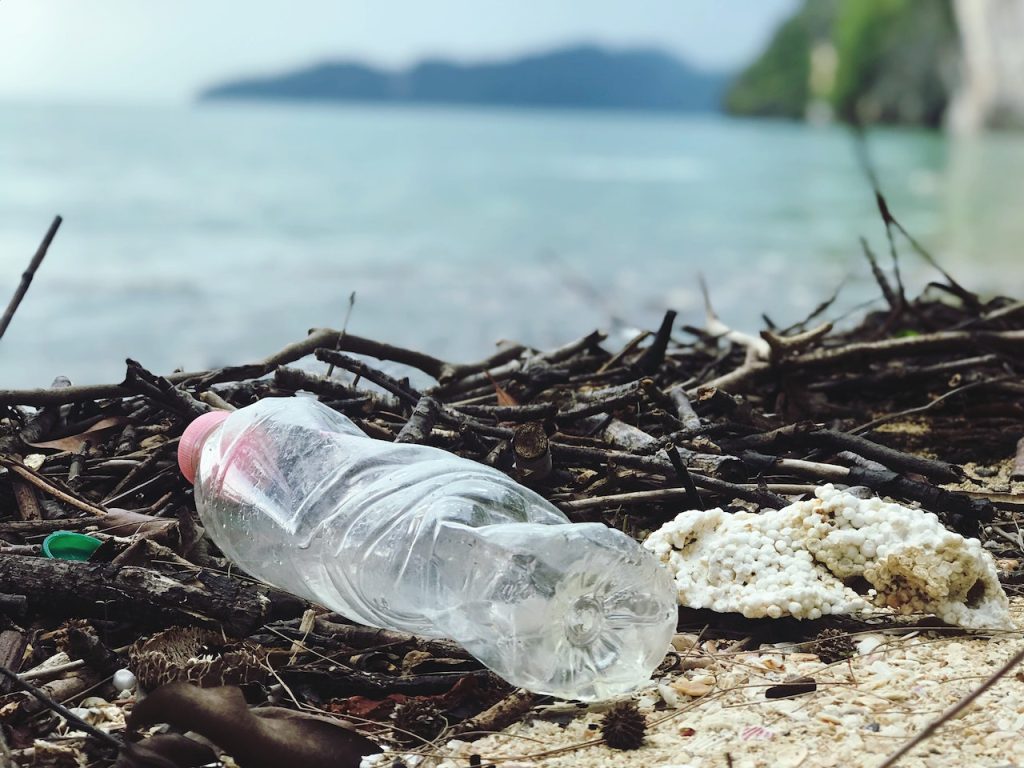
Plastic pollution in our oceans is a global problem that has been gaining more attention in recent years. The detrimental effects on marine life and ecosystems have been widely documented and studies have shown that the issue is only getting worse. Each year, an estimated 8 million metric tons of plastic finds its way into the ocean, where it can travel long distances and accumulate in areas known as gyres. These areas, such as the Great Pacific Garbage Patch between Hawaii and California, contain an alarming amount of plastic debris, including microplastics which have become a significant concern due to their potential harm to marine life.
The extent of the problem is alarming, but it is not without solutions. Government bodies, organizations and the general public can take action to reduce the amount of plastic that enters the oceans. Many countries, states, and municipalities have implemented regulations on plastic bags and straws, and organizations such as the Ocean Conservancy’s International Coastal Cleanup and the Plastic Pollution Coalition are working to raise awareness and actively clean up plastic debris.
As individuals, we can also make a significant impact. Simple actions like reducing our use of single-use plastics, properly disposing of trash, and supporting companies that use eco-friendly packaging can greatly reduce the amount of plastic entering the oceans. It’s also important to avoid buying products that contain microbeads, tiny beads of plastic that are often found in personal care products and can easily make their way into the oceans. Recycling is another important step that helps to keep plastic out of the ocean and landfills.
It is crucial that we understand the scale of the problem and take action to reduce plastic pollution in our oceans. The time for action is now, and together we can make a difference. By implementing regulations, raising awareness, and taking small steps as individuals, we can work towards a sustainable future and preserve the delicate balance of marine life and ecosystems.
Tips and Ideas on how to reuse and reduce waste:
Reuse shopping bags, containers, and jars: Instead of using disposable bags and containers, try using reusable bags, containers, and jars. This can help to reduce the amount of plastic waste that ends up in landfills.
Compost food waste: Instead of throwing away food scraps, consider composting them. Composting is a natural way to break down organic materials and create a nutrient-rich soil amendment for your garden.
Fix and repair items instead of buying new ones: Before you throw away an item, try to fix it or repair it first. This can help to extend the life of the item and reduce the amount of waste that ends up in landfills.
Buy products made from recycled materials: When you buy products made from recycled materials, you are supporting a system that reduces waste and pollution.
Support local recycling programs: Check with your local government or waste management company to see what types of materials they recycle and how you can properly dispose of recyclable materials in your area.
Reduce single use plastics: Try to avoid single-use plastics as much as possible, such as plastic bags, straws, water bottles, and utensils. Look for alternatives such as reusable bags, metal straws, or biodegradable utensils.
Buy in bulk: Buying in bulk can help to reduce packaging waste and save money.
Reduce energy consumption: Saving energy can help to reduce the amount of greenhouse gasses and pollutants produced by power plants, and it can save you money on your energy bills.